Source right truck door hinge for Sinotruk, Marine, and Interior Uses
Compare 30 listings for the right truck door hinge from Chinese manufacturers offering OEM models like 11110 and 11480. Buyers can evaluate specifications including ISO/TS16949 certification, zinc plating, and weights ranging from 0.2kg to 1.1kg for various applications.
Key considerations
Products List


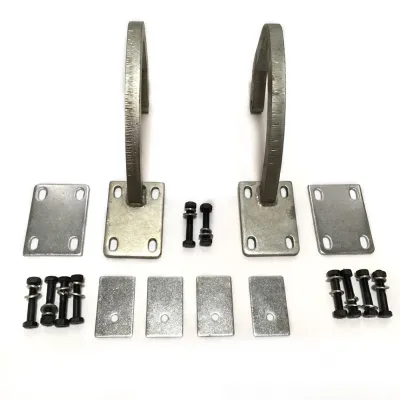


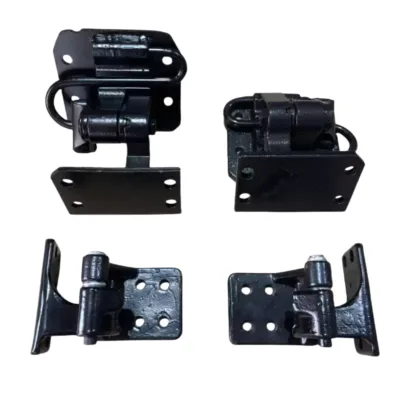


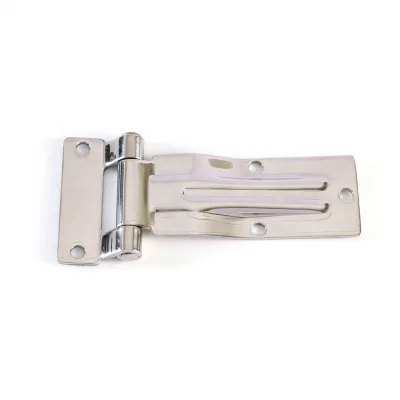
Comprehensive Sourcing Guide
Right Truck Door Hinge Sourcing Guide
Procuring the correct right truck door hinge is a critical component in maintaining the structural integrity and operational safety of heavy-duty commercial vehicles. These hinges serve as the primary pivot point for door assemblies, bearing significant dynamic loads during vehicle operation, including vibration, wind resistance, and frequent opening and closing cycles. For fleet managers and procurement specialists, selecting the appropriate hinge ensures that doors remain aligned, secure, and functional over the vehicle’s lifespan, preventing costly downtime and potential safety hazards associated with door failure.
The sourcing landscape for these components is diverse, with manufacturers offering a wide range of materials, finishes, and customization options to meet specific OEM requirements. Buyers must navigate a market where standard parts coexist with bespoke solutions tailored to specific truck models, such as Sinotruk HOWO or other heavy-duty platforms. Understanding the technical nuances of material selection, surface treatment, and certification standards is essential for making informed purchasing decisions that balance durability, cost-efficiency, and compliance with industry regulations.
Product Scope and Observed Listing Signals
The market for right truck door hinges encompasses a variety of configurations, ranging from standard replacement parts to custom-engineered solutions for specialized applications. Observed listings indicate that products are often categorized under broader headings such as "Metal Straightening Machinery" or specific truck spare parts, reflecting the industrial nature of the supply chain. Buyers should note that while some listings emphasize general metalworking capabilities, the specific application for truck doors requires hinges capable of withstanding high stress and environmental exposure, necessitating careful verification of the product’s intended use case.
Listing signals reveal a significant variation in product attributes, including weight, dimensions, and packaging methods. Weights observed range from lightweight components at 0.2kg to heavier units exceeding 1kg, indicating differences in material thickness and structural design. Packaging varies from simple cartons and pallets to more robust wooden boxes and crates, which is crucial for protecting the hinges during international shipping. These logistical details are not merely administrative; they impact the total landed cost and the condition in which the parts arrive, making them a key factor in supplier evaluation.
Technical Specifications to Verify
Material composition is the most critical technical specification to verify, as it directly influences the hinge’s durability and resistance to corrosion. Suppliers offer hinges made from various materials, including carbon steel, stainless steel, and general metal alloys. Carbon steel provides high strength and cost-effectiveness, making it suitable for standard applications, while stainless steel offers superior corrosion resistance, ideal for harsh environments or marine equipment applications. Buyers must confirm the exact material grade to ensure it meets the operational demands of their specific vehicle fleet.
Surface treatment and finish are equally important for extending the lifespan of the hinge. Common treatments observed include zinc plating and nickel plating, which provide protective layers against rust and wear. Zinc plating is widely used for its balance of protection and cost, while nickel plating offers a more durable and aesthetically pleasing finish. Additionally, buyers should verify the hinge’s dimensional specifications, such as the 67*40mm size observed in some listings, and ensure compatibility with existing door frames. The installation type, whether exposed mount or concealed, must also align with the vehicle’s design to ensure proper fit and function.
Compliance and Safety Documentation
Certification standards play a vital role in ensuring that the procured hinges meet international quality and safety benchmarks. Many suppliers provide certifications such as ISO/TS16949, which is specific to the automotive industry and indicates a robust quality management system. Other certifications like TUV, GS, and various classification society marks (CS, GL, RS) may be relevant depending on the application, particularly for marine or specialized industrial uses. Buyers should request valid certification documents to verify that the supplier adheres to recognized quality protocols.
Standards compliance extends beyond certifications to include adherence to specific dimensional and performance standards. Listings reference a wide array of standards, including BS, ANSI, JIS, GB, GOST, ASTM, and DIN, highlighting the global nature of the supply chain. Buyers must identify which standard applies to their specific market and vehicle model to ensure compatibility and regulatory compliance. Verifying that the product meets the relevant standard is essential for avoiding legal issues and ensuring that the parts integrate seamlessly with existing vehicle systems.
Cost Drivers and Commercial Terms
The cost of right truck door hinges is influenced by several factors, including material costs, manufacturing processes, and customization requirements. Forging is a common manufacturing process observed, which can enhance the strength and durability of the hinge but may also increase production costs. Customization options, such as specific dimensions or finishes, can further impact pricing, as they require additional tooling and production time. Buyers should understand the cost implications of these variables to negotiate effectively and avoid unexpected expenses.
Commercial terms, including minimum order quantities (MOQ) and lead times, are critical considerations for procurement planning. Observed MOQs range from 1 to 1000 units, offering flexibility for both small-scale replacements and large fleet orders. Lead times, such as the 30-day delivery period noted in some listings, allow buyers to plan inventory and production schedules accordingly. Understanding these terms helps in managing cash flow and ensuring that parts are available when needed, minimizing vehicle downtime.
Supplier Qualification and Quality Control
Supplier qualification is a key step in the sourcing process, requiring a thorough assessment of the supplier’s capabilities and reliability. Buyers should verify the supplier’s manufacturing location, with many suppliers based in regions like Shandong, China, known for their industrial expertise. Additionally, checking the supplier’s after-sales service offerings, such as a one-year warranty, provides assurance of support in case of defects or issues. A reliable supplier should be transparent about their processes and willing to provide samples or documentation for verification.
Quality control measures should be integrated into the procurement process to ensure that the delivered parts meet the specified standards. Buyers should request quality inspection reports or certificates of conformity for each batch of hinges. Implementing incoming quality control checks upon receipt of the goods can help identify any discrepancies or defects early in the process. Establishing a clear communication channel with the supplier for addressing quality issues is also essential for maintaining a smooth supply chain and ensuring long-term partnership success.
Long-Term Procurement Checks
Long-term procurement success depends on regular review and optimization of the sourcing strategy. Buyers should periodically assess the performance of the procured hinges in terms of durability, corrosion resistance, and overall functionality. Collecting feedback from maintenance teams and fleet operators can provide valuable insights into the real-world performance of the parts. This feedback loop allows for continuous improvement and adjustment of specifications or suppliers as needed to meet evolving operational requirements.
Building a diversified supplier base can mitigate risks associated with single-source dependencies. By engaging with multiple qualified suppliers, buyers can ensure continuity of supply and leverage competitive pricing. Regularly updating the supplier database with new vendors and re-evaluating existing partners helps maintain a robust and resilient supply chain. Additionally, staying informed about industry trends and technological advancements in hinge design can provide opportunities for innovation and cost savings in the long run.
FAQs
What materials are used for right truck door hinges?
Right truck door hinges are typically manufactured from steel, stainless steel, or carbon steel. These materials provide the necessary durability and strength for heavy-duty applications. Some variants may also be classified under general metal categories to ensure compatibility with various truck models and structural requirements.
Can right truck door hinges be customized for specific trucks?
Yes, customization is available for right truck door hinges to meet specific OEM requirements. Manufacturers offer tailored solutions including specific models like 11110 or 11480. This allows buyers to secure parts that fit exact dimensions and functional needs for vehicles such as Sinotruk HOWO trucks or other specialized machinery.
What certifications do right truck door hinge suppliers hold?
Suppliers of right truck door hinges often hold ISO/TS16949 certification, ensuring quality management in automotive parts manufacturing. Additional certifications may include TUV, GS, CS, GL, and RS. These credentials verify that the products meet international safety and quality standards for industrial and automotive applications.
How are right truck door hinges packaged for shipping?
Right truck door hinges are packaged using various methods including crates, cartons, pallets, and wooden boxes. Common configurations involve carton plus pallet or pallet plus box arrangements. Some suppliers offer flexible packaging by customer requirements, such as cartons with trays, to ensure safe transportation and protection during logistics.
What is the typical lead time for right truck door hinges?
The typical delivery time for right truck door hinges is approximately 30 days. This lead time applies to standard manufacturing and shipping processes. Buyers should confirm specific timelines with suppliers, as production schedules and logistics can vary based on order volume and customization requirements for specific truck models.
What surface treatments are applied to right truck door hinges?
Right truck door hinges often feature surface treatments like zinc plating or nickel plating to enhance corrosion resistance. These finishes protect the steel or stainless steel material from environmental damage. The silver color is common for plated variants, ensuring longevity and aesthetic consistency for both interior and exterior door applications.